
Table of Contents
- Why Coton de Tulears Are Prone to Separation Anxiety
- Signs of Separation Anxiety in Dogs: What to Watch For
- How to Crate Train a Coton de Tulear for Calm Alone Time
- Leaving a Puppy Alone for the First Time: A Gradual Plan
- Desensitization and Counter-Conditioning for Departure Cues
- Routine, Enrichment, and Exercise That Reduce Distress
- Diet, Supplements, and When to Call a Behaviorist
- Frequently Asked Questions
Last Updated: October 2, 2026
Why Coton de Tulears Are Prone to Separation Anxiety
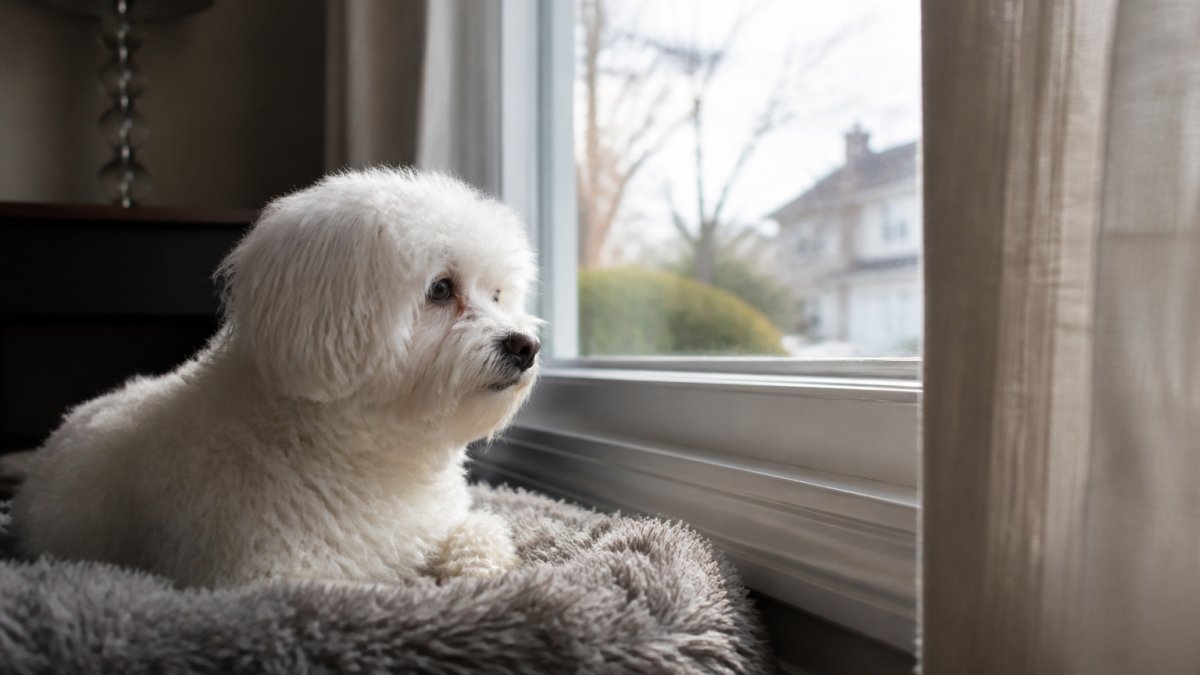
Coton de Tulear separation anxiety is one of the most common challenges new owners face, and it rarely appears out of nowhere. Bred for centuries as a companion animal, the Coton’s history shapes how it handles being alone.
The Velcro Dog Instinct
Cotons are often called “velcro dogs,” and the label fits. They want to be near their person at all times.
Physiological Triggers Unique to the Breed
Beyond temperament, there are physical factors at play. When a Coton is separated from its attachment figure, cortisol levels rise. The dog may pace, vocalize, or refuse to eat.
Signs of Separation Anxiety in Dogs: What to Watch For
The most reliable sign of separation anxiety in dogs is a pattern of distress that only happens when you leave. If your Coton is fine when you’re home and frantic when you’re gone, that’s the tell.
- Pacing or circling near the door
- Whining, barking, or howling
- Chewing furniture, baseboards, or door frames
- Scratching at exits until paws are raw
- House soiling in a house-trained dog
- Refusing food or treats while alone
- Excessive drooling or panting without heat
How to Crate Train a Coton de Tulear for Calm Alone Time
Crate training works best when the crate becomes a reward, not a punishment. Start young, keep sessions short, and never use the crate as a time-out spot.

Sizing the Crate for a Small Breed
A Coton de Tulear typically weighs 9 to 13 pounds and stands 9 to 12 inches at the shoulder, so an adult crate in the 22- to 24-inch length range is usually right. The dog should be able to stand up, turn around, and lie flat without touching the sides.
Two mistakes are common with this breed:
- Too big. A 30-inch crate lets a small Coton eliminate in one corner and sleep in the other, undercutting house training and making the crate feel like a pen rather than a den.
- Too small. A cramped crate raises stress fast in a breed that already runs warm emotionally. If your Coton can’t stretch out flat, size up.
Building a Safe Space Step by Step
- Leave the crate open for a week. Toss treats inside and let your Coton explore on its own terms. Don’t close the door during this phase.
- Feed meals in the crate. Start with the door open, then close it during meals once your dog is relaxed. A Coton that eats calmly with the door latched learns the crate predicts food, not abandonment.
- Add duration slowly. Two minutes, then five, then fifteen. Always return before whining starts. For this breed, the margin between “settled” and “panicking” is narrow, so err on the side of returning too early.
- Practice leaving the room. Step out for 10 seconds, then 30, then a minute. Stay within earshot at first so you can hear the exact moment your Coton shifts from quiet to distressed.
- Pair with a cue word. Say “crate” calmly every time. The word becomes a signal for safety.
A common mistake is rushing step three. Push duration too fast, the puppy panics, and weeks of progress disappear in one bad session. With a velcro breed, one panic session sets you back further than with a more independent dog, because the Coton is already primed to read separation as a threat.
When the Crate Makes Things Worse
Crate training isn’t the right tool for every anxious Coton. If your dog has had a bad crate experience, or the crate triggers drooling, frantic scratching, or attempts to bite through the bars, stop and switch approaches.
- Your Coton will not enter the crate even for high-value food
- The dog eliminates in the crate despite being house trained
- Drooling, panting, or shaking starts the moment the door closes
- Your dog injures paws or muzzle trying to escape
Leaving a Puppy Alone for the First Time: A Gradual Plan
The first solo session sets the tone. Keep it under 10 minutes and end on a calm note, not a frantic one.
Follow this progression over two to three weeks:
|
Week |
Alone Time |
Location |
Goal |
|---|---|---|---|
|
1 |
5-10 minutes |
Crate, you in next room |
No whining |
|
2 |
20-30 minutes |
Crate, you outside |
Calm settling |
|
3 |
1-2 hours |
Crate or pen |
Relaxed napping |
|
4+ |
3-4 hours |
Free in safe room |
Independent play |
Desensitization and Counter-Conditioning for Departure Cues
Departure cues are the small signals that tell your dog you’re about to leave: grabbing keys, putting on shoes, picking up a bag. Dogs learn these fast, and anxiety starts before you reach the door.
Desensitization means practicing those cues without actually leaving.
- Pick up your keys, then sit back down. Repeat five times a day.
- Put on your shoes, then make coffee. Nothing happens.
- Grab your bag, walk to the door, then return to the couch.
Routine, Enrichment, and Exercise That Reduce Distress
A tired Coton is a calmer Coton. Daily exercise and mental work do more for separation anxiety than most owners expect, but this breed has a specific exercise ceiling and physiological triggers that generic “walk your dog more” advice ignores.
WANT TO KNOW MORE ABOUT YANKEE COTONS? →
The Breed-Specific Physiology Behind the Anxiety
Cotons were developed as lap companions, not working dogs. That history shows up in the body, not just the personality.
- Small body mass, faster cortisol response. A 9- to 13-pound dog has less mass to buffer a stress hormone spike. When a Coton hears your keys, the cortisol rise is proportionally larger and faster than in a 70-pound retriever, one reason the distress can look sudden.
- Surface-area-to-volume ratio and temperature. Small dogs lose body heat faster. A cold room, drafty crate, or tile floor adds physical discomfort on top of emotional distress, so a Coton left alone in a chilly space faces two stressors, not one.
- Fast metabolism and hunger sensitivity. Small breeds burn through a meal faster. A Coton hungry at hour three of a four-hour absence settles harder than one that ate right before you left.
- Bonding biology. This breed was selected for centuries to stay near people. The attachment system isn’t a behavior problem to train out, it’s the breed’s default wiring, and training has to work with it rather than against it.
Exercise and Enrichment Sized for a Small Companion Breed
Aim for two walks a day plus 15 minutes of focused play, but keep intensity appropriate. A Coton isn’t a long-distance jogging partner, and over-exercising a small breed causes joint strain without burning the mental energy that drives the anxiety.
What works better than raw mileage:
- Sniff walks. A 20-minute walk where the dog sets the pace and sniffs everything tires a Coton more than a brisk 40-minute march. Sniffing is cognitive work.
- Puzzle feeders. A frozen stuffed toy or kibble-dispensing puzzle gives 15 to 20 minutes of engaged problem-solving.
- Snuffle mats. Good for a dog that needs to forage, low physical impact, high mental load.
- Chew toys. Chewing is self-soothing. A safe chew left during alone time gives your Coton something to do with its mouth besides the door frame.
Routine Stability as Anxiety Prevention
Feed, walk, and crate at roughly the same times each day. Predictability lowers baseline anxiety. For a breed this tuned in to its owner’s patterns, an unpredictable schedule reads as a warning sign. However, balance this with the ability to adapt to changes from time to time. It doesn’t need to be drastic, but build a little flexibility into their lives so they learn to accept it.
Tech Monitoring: What Actually Helps
A pet camera with two-way audio lets you check in without rushing home, and some models send alerts for barking or pacing. But the technology only helps if you use it to gather data, not to soothe your own guilt.
What to look for:
- Two-way audio. Useful for a calm “good dog” cue, but avoid talking your dog down from a panic, that can accidentally reward the panic with attention.
- Motion and sound alerts. These tell you when distress actually starts. If your Coton is fine for 45 minutes and then escalates, you have a concrete threshold to train against.
- Treat-dispensing cameras. Some models toss a treat remotely. They work best paired with a cue the dog already knows, so the treat reinforces calm rather than interrupting a panic.
- Video history. Reviewing footage tells you the difference between a dog that whined for two minutes and settled, and one that paced for three hours.
Post-Pandemic Transitions
Many dogs that grew used to constant company during remote work now face full workdays alone. The fix is the same: gradual exposure, not cold turkey. Rebuild alone time in small steps, even if your dog handled it fine two years ago.
Diet, Supplements, and When to Call a Behaviorist
Some owners find calming supplements support the training process. Common options include L-theanine, chamomile, and dog-specific pheromone diffusers. These are tools, not cures, and work best alongside behavior modification.
- Your dog injures itself trying to escape
- Anxiety doesn’t improve after 4-6 weeks of training
- Your dog stops eating or loses weight
- You feel unsafe or overwhelmed
Frequently Asked Questions
Do Coton de Tulears have separation anxiety?
Yes, they can have separation anxiety. Coton de Tulears were bred as companion dogs and form deep attachments to their people, earning the nickname ‘velcro dog.’ That closeness makes alone time harder for them than for more independent breeds. The good news: with early crate training, gradual exposure, and a stable routine, with some flexibility to encourage acceptance of changes in routine, most Cotons learn to settle when you leave.
What are the signs of separation anxiety in dogs?
Watch for pacing, whining, barking, howling, scratching at doors, destructive chewing, house soiling, and drooling when you leave. Many dogs also follow you room to room and greet you with intense excitement. These distress signals usually appear within 30 minutes of departure. If your Coton only shows these behaviors when alone, separation anxiety is likely. Rule out medical issues with your vet first, then start desensitization and counter-conditioning.
How do I start leaving a puppy alone for the first time?
Begin with short absences, just 30 seconds to a few minutes, and build up gradually. Leave without drama and return calmly. Pair departures with a food-stuffed toy so being alone predicts something good. Keep departures and arrivals low-key to avoid triggering excitement. A crate or safe space helps, and a camera lets you watch for distress. If your puppy panics, shorten the next session and progress more slowly.
What is the 3-3-3 rule for dogs with anxiety?
The 3-3-3 rule describes how rescue and rehomed dogs adjust: three days to decompress, three weeks to settle into a routine, and three months to feel fully at home. For a Coton de Tulear with separation anxiety, this timeline is a useful benchmark. Don’t expect overnight change. Consistent crate training, predictable schedules, and patient desensitization over those first months produce steady improvement.
Separation anxiety is manageable, but it takes a plan and daily consistency. If you’re bringing home a Coton, start with a puppy raised for stable temperament and screened health. Yankee Cotons offers over 30 years of breeding experience, transparent medical clearances, and ongoing owner education to help your dog thrive. Visit Yankee Cotons to learn more about our Coton de Tulear puppies and get started on the right foot.
Leave a Reply